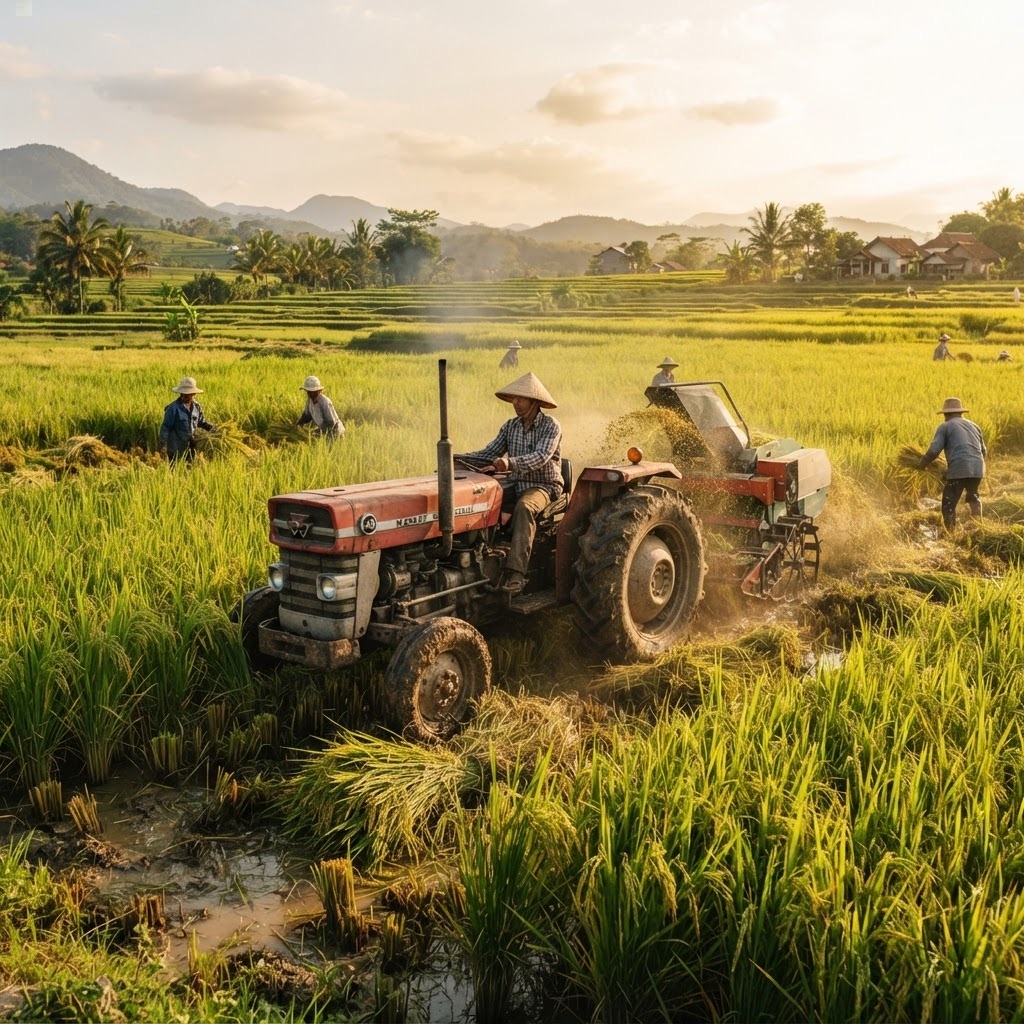
Growing one kilogram of conventionally transplanted paddy can consume 3,000–4,000 litres of water. Direct-seeded rice (DSR) — sowing seed straight into the field instead of raising and transplanting seedlings into standing water — cuts that water use by roughly 25–35%, reduces labour, and lowers methane emissions from flooded fields. In the basmati belt of Haryana and Punjab, where groundwater tables fall every year, DSR is the most consequential sustainability shift in rice farming today.
How DSR saves water
Transplanted paddy spends weeks in continuously flooded fields; puddling the soil also destroys its structure. DSR fields are irrigated intermittently rather than kept submerged, eliminating the puddling and nursery-flooding stages entirely. State governments in Haryana and Punjab actively incentivise DSR adoption per acre.
Beyond the field — the rest of the chain
- Procurement. Buying paddy directly from mandis across Haryana shortens the farm-to-mill chain and gives farmers immediate price realisation.
- Milling. Modern mills recover value from every fraction of the grain — husk fuels boilers (replacing fossil fuel), bran goes to oil extraction, and brokens enter food and feed chains — so little of the paddy is wasted.
- Water stewardship at plants. Treated water recycling and rainwater harvesting at processing sites reduce freshwater draw per tonne milled.
- Traceability. Lot-wise records from mandi to container, with residue (MRL) testing for export compliance to EU/UK standards.
Why buyers care
European and Gulf retailers increasingly ask private-label suppliers for documented sustainability practices — water footprint, residue compliance, farmer sourcing. Exporters that can evidence DSR sourcing and mill-level resource efficiency win and keep those contracts.
GRM's role
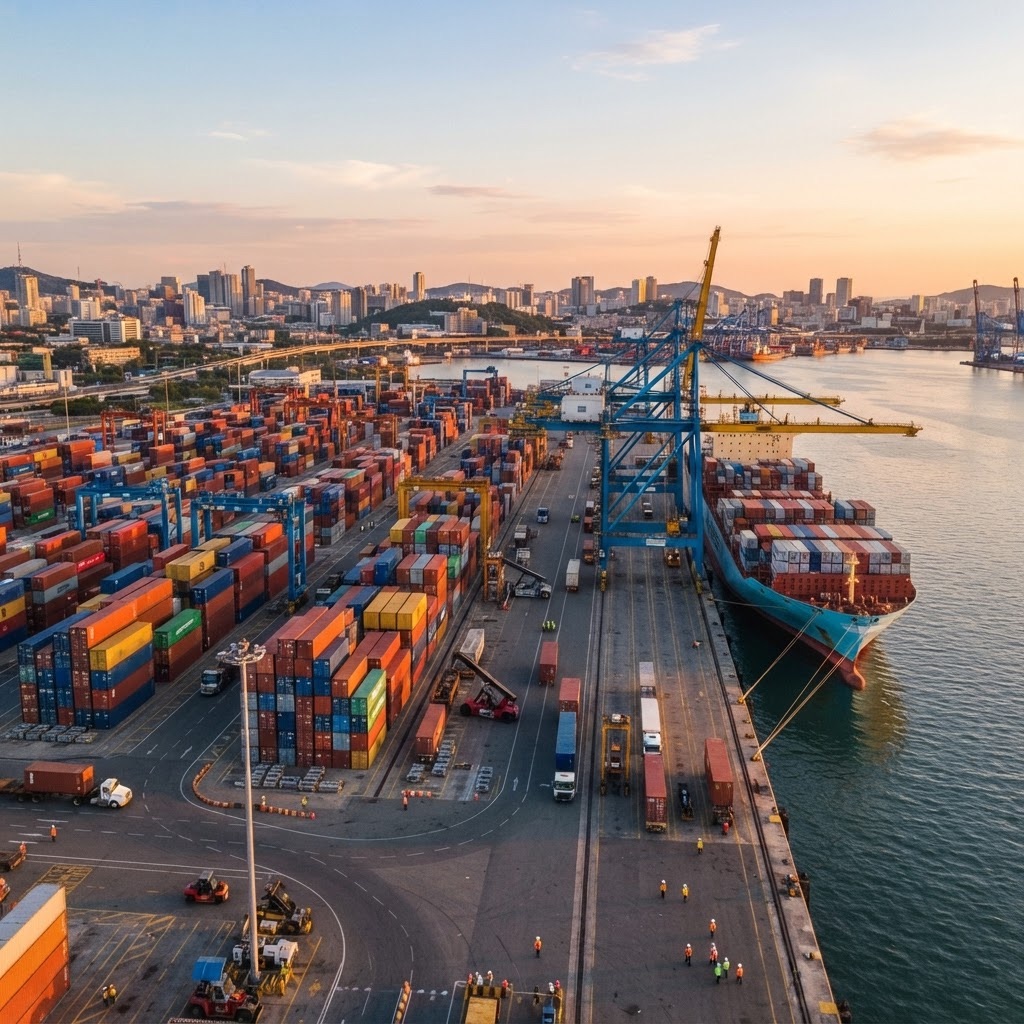
GRM Overseas sources paddy across Haryana's basmati belt — including direct mandi procurement around Panipat — and mills at Panipat, Naultha and Kandla with by-product recovery and lab-tested, traceable export lots shipped to 65+ countries.
Related: CSR · Facility · Certifications · Specifications